Funding boost for drug treatment

Funding boost for drug treatment

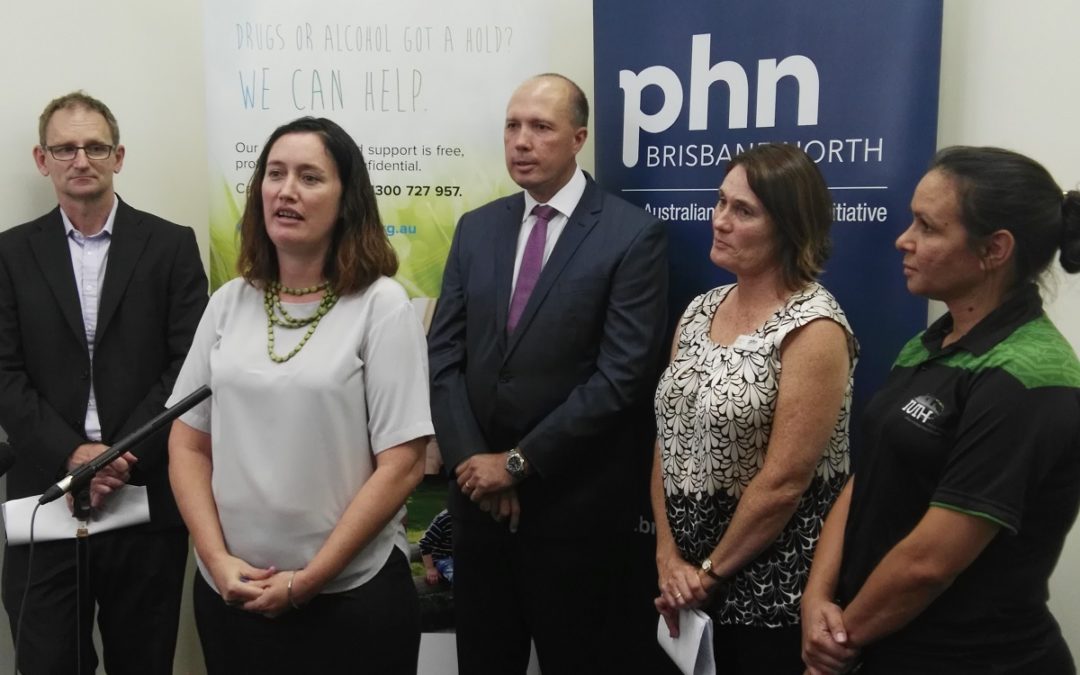
More drug and alcohol treatment services are available in North Brisbane for people who need support to overcome methamphetamine (ice) and other forms of substance dependence.

An additional $5 million in Federal funding over three years will significantly increase the capacity of local service providers to meet demand for alcohol and other drug treatment services.

Brisbane North PHN’s Executive Manager for Commissioned Services Pauline Coffey said the new funding would help people to regain control of their lives and break the cycle of dependence.

“Treatment service providers and families of those affected have been calling for more help, so I am pleased we can now provide additional resources to support recovery,” she said.

The PHN has been working closely with the alcohol and other drug treatment sector to plan the services needed in North Brisbane and has selected three agencies to deliver these services.

“Lives Lived Well has been commissioned to deliver alcohol and other drug treatment services in the Moreton Bay region, where the greatest need was identified.

“The PHN has also commissioned the Institute for Urban Indigenous Health (IUIH) to deliver culturally-appropriate alcohol and other drug treatment services for Aboriginal and Torres Strait Islander people, primarily across the Moreton Bay region,” Ms Coffey said.

“Additionally, we have commissioned the Queensland Network of Alcohol and Other Drug Agencies (QNADA) to support development of the alcohol and other drugs workforce.

“While we are careful not to underestimate the scale of the problem we face, I am confident the most capable services providers have been selected to address this challenge and I congratulate them on their successful tender applications,” she said.

Lives Lived Well CEO Mitchell Giles said today’s launch marks a significant boost to Brisbane north services, with free community-based alcohol and drug support being made available to the region for the first time.

“We expect that about 70 per cent of people seeking support at the new service will be experiencing problems with methamphetamines (ice),” Mr Giles said.

“Our counsellors are trained to support people who have problems with any kind of drug, including alcohol, and can offer flexible, intensive care involving counselling, day programs, group work and case management,” he said.

IUIH Chief Executive Adrian Carson said these new services will enable the IUIH to expand its existing substance misuse and mental health services to Aboriginal and Torres Strait Islander communities across one of Australia’s fastest Indigenous growing population.

“These services will be fully integrated with the comprehensive primary healthcare service already being delivered by the IUIH Members,” Mr Carson said.

QNADA Chief Executive Rebecca Lang said she looked forward to providing additional workforce support to professionals in the alcohol and other drug treatment sector.

“We are very pleased to see the opening of the Strathpine Lives Lived Well service, the first alcohol and other drug specialist service for Strathpine and the region which is great news for the community,” Ms Lang said.

Clients may access treatment services via self-referral, professional referral (e.g. GP, Hospital, Emergency Services) or through an outreach service.

On 6 December 2015, the Prime Minister Malcolm Turnbull announced that the Government would invest $241.5 million through the 31 Primary Health Networks to boost the alcohol and other drug treatment sector and reduce demand for ice.

Primary Health Networks took on responsibility for planning and funding additional alcohol and other drug treatment services on 1 July 2016.

Following comprehensive needs assessment, Brisbane North PHN identified there was significant need for alcohol and drug treatment services in the Moreton Bay north and Strathpine areas within the PHN region.

People experiencing drug or alcohol problems can call Lives Lived Well on 1300 727 957. Aboriginal or Torres Strait Islander people can call IUIH on 07 3648 9500.

For Lives Lived Well media enquiries contact:

Michelle Saftich – Marketing & Media Officer
e michelle.saftich@liveslivedwell.org.au
Boost to research

Boost to research

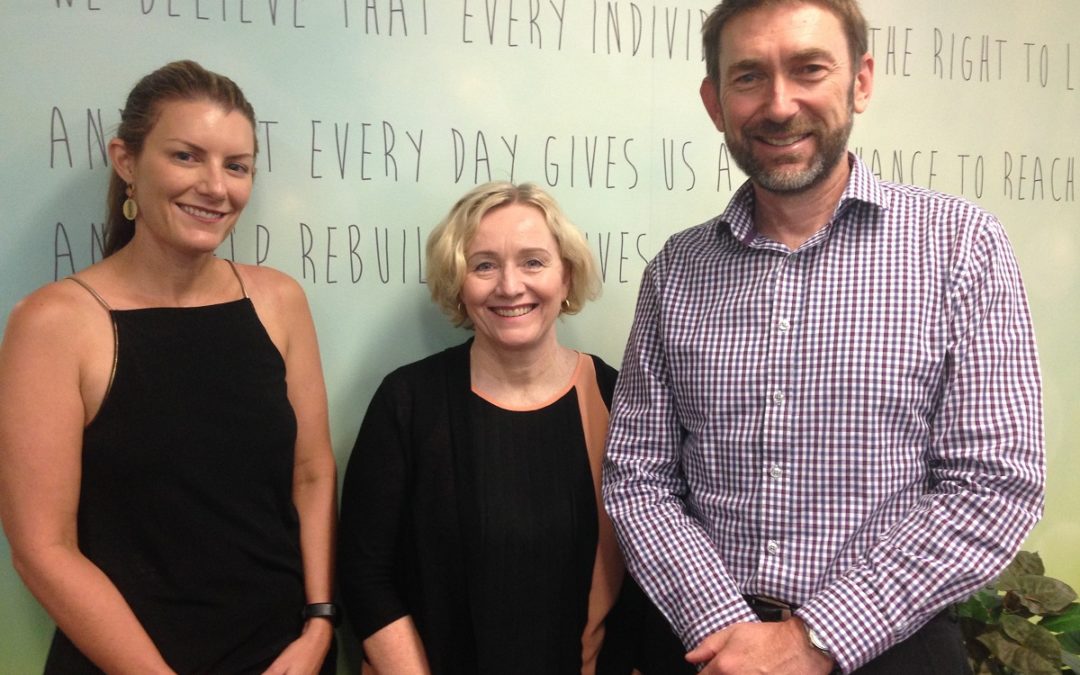
(Pictured above, from left, Professor Leanne Hides, Lives Lived Well research manager Sandy Sacre and Lives Lived Well’s Clinical Director David Mooney.)

The effectiveness of treatments for addiction and mental health in Queensland will be explored in research to be conducted by a new Professor of Alcohol, Drugs and Mental Health.

The role has been created by Lives Lived Well in collaboration with The University of Queensland and this month Professor Leanne Hides commenced in the position.

Prof Hides will lead research seeking to increase current knowledge on what treatments are most effective for helping people overcome difficulties with substances and mental health and wellbeing.  She will also be working with clinical staff and postgraduate researchers to develop and test innovative new treatments.

It is anticipated that the findings will benefit Lives Lived Well and its various treatment services and programs, as well as the health sector more broadly.

The University of Queensland is currently recruiting two post-doctoral researchers to support this work.

Lives Lived Well CEO Mitchell Giles said our organisation was very excited to start a research-based partnership with The University of Queensland and have Prof Hides come on board. “We hope this is the beginning of a significant and enduring research partnership with the University of Queensland towards improving understanding of effective treatments of primary and comorbid substance use and mental health disorders.”

The University of Queensland’s Professor Christina Lee said: “The University is extremely happy to be solidifying our relationship with Lives Lived Well. The addition of Professor Hides will complement and increase our capacity to assist those who are facing obstacles in their life.”

Professor Leanne Hides said: “This clinical research partnership between The University of Queensland and Lives Lived Well will enable us to make a significant contribution to the evidence base for which models of service delivery and treatments for substance use and mental health issues work in the real world”.

About Professor Leanne Hides

Prof Hides is a leading Australian and international clinical researcher in the treatment of comorbid mental health and alcohol and substance use. She is a registered clinical psychologist with over 17 years of clinical and research experience in the mental health, substance use and primary care sectors. Prof Hides also holds a prestigious National Health and Medical Research Centre (NHMRC) Senior Research Fellowship at The University of Queensland.

About Lives Lived Well

Lives Lived Well is a not-for-profit, non-government organisation. We support people to overcome obstacles to living their lives well – particularly those impacted by alcohol and drugs, and problems related to mental health. Our professional teams provide free counselling and support across Queensland and deliver youth outreach, family programs and low-cost residential treatment. For more information, visit www.liveslivedwell.org.au


For all media enquiries contact:

Michelle Saftich – Marketing & Media Officer
e michelle.saftich@liveslivedwell.org.au or marketing@liveslivedwell.org.au
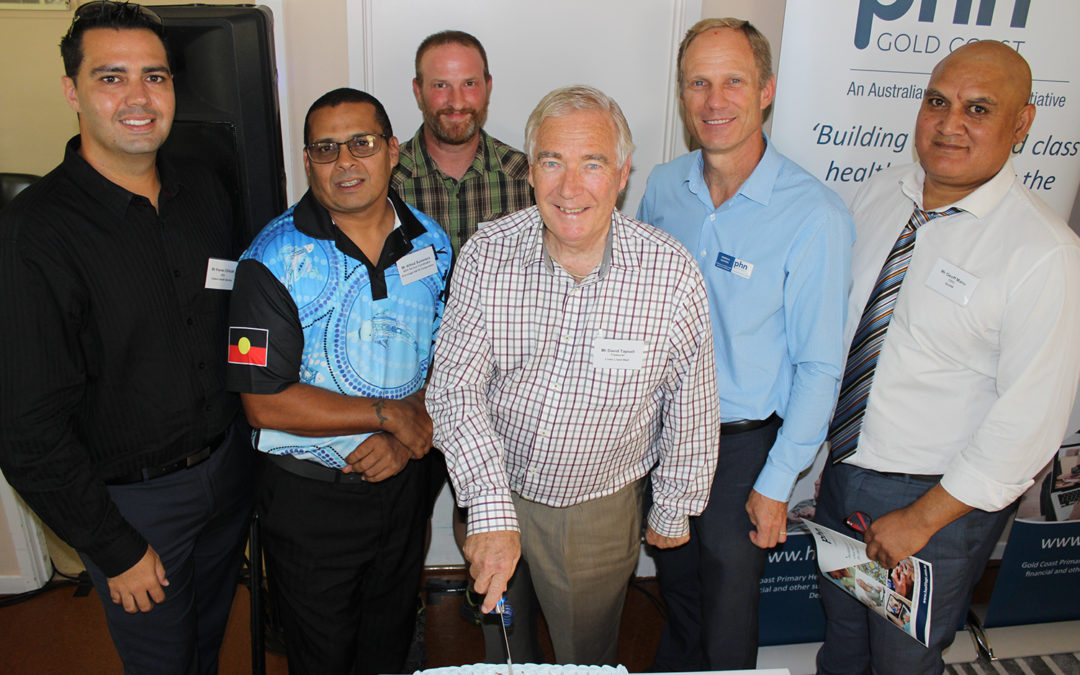
New flexible services for the Gold Coast community

New flexible services for the Gold Coast community

New alcohol, other drug and ice treatment services for the Gold Coast region to be delivered by Lives Lived Well and QuIHN were launched on Tuesday January 24 after extensive community consultation.

Gold Coast Primary Health Network CEO Matt Carrodus announced the two new services, which will provide treatment and support, with a focus on the growing northern Gold Coast region, and an Indigenous organisation to provide services to Aboriginal and Torres Strait Islander people. This follows extensive consultation to determine what services were required.

“Through the Commonwealth Government investment under the National Ice Strategy, the Gold Coast has received $3.56 million over three years, to commission treatment services informed by local needs and priorities,” Mr Carrodus said.

“We have completed extensive engagement activities, meeting with more than 500 individuals and 200 organisations and closely worked with targeted groups to design the services most effective to support residents and provide the foundation for a sustainable local drug and alcohol treatment system into the future. We want to ensure that patients receive the right care, at the right place, at the right time, by the right person.”

“Local residents are encouraged to contact these organisations to determine what support options are available and referrals are also welcome from GPs and health and community organisations,” Mr Carrodus said.

Geoff Manu, General Manager of QuIHN, one of the new service providers, said it will provide support and treatment for alcohol and other drug use for young people and adults and individuals and families with co-occurring mental health and substance-related disorders.

“QuIHN will provide an outreach service across the northern Gold Coast and Southport areas and provide alcohol and other drug information, early and brief interventions, pre and post rehabilitation, group/day programs, case management, care coordination and relapse prevention,” Mr Manu said.

“We believe these much needed services will assist the local community to reduce the burden attributable to alcohol and other drugs misuse and improve health functioning and social well-being of individuals and in turn the communities in which they reside, while also assisting to reduce avoidable and unnecessary hospital presentations.”

Lives Lived Well CEO Mitchell Giles said their new service based at Nerang Neighbourhood Centre would give Gold Coast’s growing northern corridor community access to flexible care including individual and group therapy.

“People can drop-in rather than commit to a long rehabilitation program. They will receive person-centred support to help them ease into treatment, start tackling their problems, or get ongoing help post-treatment,” Mr Giles said.

“This stepped care approach allows us to help a broader range of people, particularly adults, to deal with alcohol and drug problems and mental health concerns­ – the aim is to customise services to people’s needs.”

Kalwun CEO Kieran Chilcott said Kalwun, together with Krurungal, are excited about providing a new Indigenous alcohol and other drugs (AoD) service.

“Kalwun and Krurungal will work collaboratively to meet the needs of the local Aboriginal and Torres Strait Islander community. This one-of-a-kind service has been co-designed with the local community, and provides a clinical and community-based AoD treatment response for Aboriginal and Torres Strait Islander people,” Mr Chilcott said.

New Gold Coast Alcohol and Other Drug Services

QuIHN and Lives Lived Well will be providing professional drug and alcohol treatment and support services for people living in the northern Gold Coast region. (From Nerang, Southport and north to Ormeau)

This includes:

  • Mobile outreach service options
  • Improved linkages
  • Face-to-face support, therapy and drop in opportunities.

Contact Lives Lived Well Nerang service hub

Phone: 1300 727 957

Address: 29 Martin Street, Nerang (Located at the rear of the Nerang Neighbourhood Centre)

For all media enquiries contact:

Michelle Saftich – Marketing & Media Officer e michelle.saftich@liveslivedwell.org.au or marketing@liveslivedwell.org.au

headspace Southport Making a Difference

headspace Southport Making a Difference

headspace Southport Making a Difference to thousands of young people on the Gold Coast

headspace Southport believes it is making a strong difference to the lives of hundreds of young people on the Gold Coast each year, as a vibrant and active service.

Following the results of a recent University of NSW study, which has found headspace facilities on average are delivering only a “small” benefit to the mental health care of young people, headspace Southport manager Philip Williams says that is not what we are experiencing at headspace Southport.

Providing services for over 8 years on the Gold Coast, headspace Southport has over 23 private practitioners, 2 GPs and benefit from co-located drug and alcohol and employment services. headspace Southport is one of only six specialist centres around Australia providing early psychosis specialty services.”

“I believe that the headspace Southport centre is performing very well and is making a significant difference to the lives of many young people and their families,” Mr Williams said. “Our data supports that view.”

Over 2016, at headspace Southport:

  • Over 1600 young people accessed care
  • Of all young people accessing the centre over 2016:
    • 17% of young people identify with the LBGTIQAP+ community
    • 7% identify as New Zealand citizens (the largest ethnic minority group on the Gold Coast is the New Zealand Maori population)
  • Over 80% young referred to the employment specialist position were successful in gaining employment or education.

“We also strongly believe that working in partnerships is key to providing high quality services for young people and so we work with the Gold Coast Hospital and Health Service, the Multicultural Network, sports clubs, schools, non-government based community mental health services and other non-government services.

“We have developed a range of services to support young people to actively engage and influence how the centre runs.  Two of these programs are your Youth Advisory Council and our peer workforce that has over 30 young people actively engaged in shaping and delivering our services.”

For more information about headspace Southport call 1300 727 957.

ENDS

For all media enquiries contact:

Michelle Saftich – Marketing & Media Officer
e michelle.saftich@liveslivedwell.org.au or marketing@liveslivedwell.org.au

Family Recovery Units to be built

Family Recovery Units to be built

Boosting drug and alcohol rehabilitation services for parents with young children

The Coalition Government and Lives Lived Well jointly invest $1.97 million in new family recovery units at Logan

More parents with young children will be able to access vital drug and alcohol rehabilitation services with the construction of new family recovery units at Logan House in Brisbane’s south.

Minister for Regional Development Fiona Nash said the Coalition Government would invest $986,000 in the project under round three of the National Stronger Regions Fund.

“It’s sometimes overlooked that parents with young children require accommodation with their children to stay in while they can get back on their feet,” Minister Nash said.

Lives Lived Well Chief Executive Officer Mitchell Giles said he was excited about the project and what it meant for families in the wider Logan area.

“Parents who need to access our programs often find it difficult to do so as they struggle to provide for their families while in treatment,” Mr Giles said.

“By offering families a safe housing option, parents can receive the treatment and support they need, leading to a better future outcome for the entire family.”

Lives Lived Well runs rehabilitation treatment programs for people aged over 18 at Logan House in Brisbane’s south, as well as providing a range of other support services across Queensland for people experiencing problems with alcohol, drugs and mental health.

For all media enquiries contact:

Michelle Saftich – Marketing & Media Officer
e michelle.saftich@liveslivedwell.org.au

Our Gladstone service helping people on “ice”

Our Gladstone service helping people on “ice”

Gladstone support service helping people impacted by “ice”

Alcohol and Drug support workers at Lives Lived Well Gladstone say about 60 per cent of the people presenting to their service are misusing methamphetamines, predominantly the drug “ice”.

The Gladstone service reports that they are seeing “ice” affecting people from a range of backgrounds. It is not gender specific and is mostly impacting those aged between 19 and 35 years.

They also work to help people who have problems with alcohol, though this now represents about 30 per cent of their intake, and they are mostly aged over 35 years.

Manager of Operations – Qld Community Services, Leah Tickner says while only a very small percentage of the population are using methamphetamines, those who want to misuse the drug can do so all too easily.

She says the Gladstone service believes that the supply of “ice” is plentiful, easily accessible and affordable with anecdotal evidence indicating that the drug is being shipped into Queensland portside towns, like Gladstone, from overseas.

“We are very concerned about the terrible impacts it is having on people’s lives. People in Gladstone are often stressed due to shift work or financial issues, and in recent times many have been made redundant. When people are going through tough times, drug or alcohol misuse tends to increase as people seek an escape or a release. The demand for the drug is here and the supply is here.”

She says “ice” is tearing up people’s lives, with many people who come to us for support reporting that misusing the drug has ruined their life; that they have lost their family, their children, their job or their house as a result of it.

“If people feel that ice is impacting their lives, we urge them to get help. They don’t have to struggle with it alone.”
Lives Lived Well Gladstone provides free drug and alcohol counselling. Their professional and confidential support can be accessed face to face or over the phone.

We help people who have problems with drugs or alcohol, and can provide support to their loved ones.

Call us on 1300 727 957 for a chat or visit our website at www.liveslivedwell.org.au

The Facts on “ICE”

What is “ICE”?

Crystal Methamphetamine Hydrochloride is an extremely addictive synthetic drug. “ICE” is one of its street names, it is also known as: Rock, Crank, Trash, Cookies, G, Shard or Quartz. “Ice” is more potent than other forms of amphetamines.

Ice appears as large, transparent and sheet-like crystals. It may have a hint of pink, blue, green or even brown coloration; dependent on the cooking method.

What do people experience – stages of “ICE” misuse:

Rush … The initial response where the heartbeat races, metabolism, blood pressure and pulse soar, lasts 20 to 40 minutes
High … The person feels aggressively smarter and becomes argumentative, can last four hours to 3 days
Binge … The person becomes hyperactive both mentally and physically with an urge to maintain the high, can last between three to fifteen days.
Tweaking … The person loses their sense of identity. Intense itching is common, psychotic state and hallucinations may be experienced.
Crashing down … the body shuts down and the person may sleep.
Hangover… starved, dehydrated and utterly exhausted physically, mentally and emotionally. Can last from two to 14 days.
Withdrawal … the person can experience depression, loss of energy and the ability to experience pleasure. Can last from 30 – 90 days to 3 years.

How is ICE taken?
Ice is known to be smoked, swallowed, snorted and injected.

Effects
Long term use can cause long term damage including:

•Memory loss and inability to learn new skills
•Strokes or an irregular heartbeat
•Liver, kidney and lung damage
•Weight loss, severe tooth decay and skin sores
•May lead to collapse or death
•Extreme mood swings including violent behaviour or psychotic episodes.

For all media enquiries contact:

Michelle Saftich – Marketing & Media Officer
e michelle.saftich@liveslivedwell.org.au or marketing@liveslivedwell.org.au